

5 Signs Your Height Safety Systems Needs Attention
How to tell when your existing system may need a closer look
Behind every task, every project and every worksite is a person.
Workers aren’t machines. They have families waiting for them at home, people they care about, plans for the weekend and a whole life outside of work. They go to work expecting to do their job and return home safely at the end of the day.
That’s why height safety matters.
October is National Safe Work Month, a timely opportunity to look at how safety is being managed across your site.
The 2026 theme, Safe work is for life, is a reminder that safety isn’t just about what happens during a shift. It’s about protecting people today while helping protect their health and wellbeing into the future.
For businesses where workers need to access roofs, façades or other elevated areas, that includes taking a closer look at the height safety systems already in place.
Are they still suitable for the way your site operates today?
Sometimes, the signs that a height safety system needs attention aren’t immediately obvious.
Here are 5 signs to look out for.
1. YOUR BUILDING OR ROOF HAS CHANGED
Buildings don’t stay the same forever. Renovations, new plant or equipment, changes to roof layouts or other building works can all affect how people access and move around your site. Even changes that seem minor can create new access points, work areas or fall risks that weren’t considered when your existing height safety system was installed. Has your building changed since your system was put in place? If it has, it may be worth reviewing whether your existing height safety measures are still suitable.2. THE WAY YOUR SITE IS USED HAS CHANGED
Your building might look the same, but the work happening there may not be. New tasks, different equipment, additional contractors or changes to maintenance requirements can all affect how people move around and work at height. Your existing system was designed around the needs of the site at the time. If those needs have changed, it’s worth asking whether the system has changed with them. Are workers accessing areas or carrying out tasks that weren’t part of the original plan? If so, your height safety system may need to be reviewed to make sure it still supports the way your site operates today.3. YOUR HEIGHT SAFETY SYSTEM HASN’T BEEN INSPECTED RECENTLY
Height safety systems need more than a quick visual check. Over time, equipment can be affected by wear, corrosion, damage, environmental conditions or changes to the surrounding structure. Regular inspections can help identify issues that may not be obvious at first glance. When was your system last professionally inspected? Inspection requirements can vary depending on the type of system, its use, condition, manufacturer requirements and applicable standards. If you’re unsure when your system was last inspected, or when its next inspection is due, it’s worth checking.4. ACCESS TO YOUR WORK AREAS HAS CHANGED
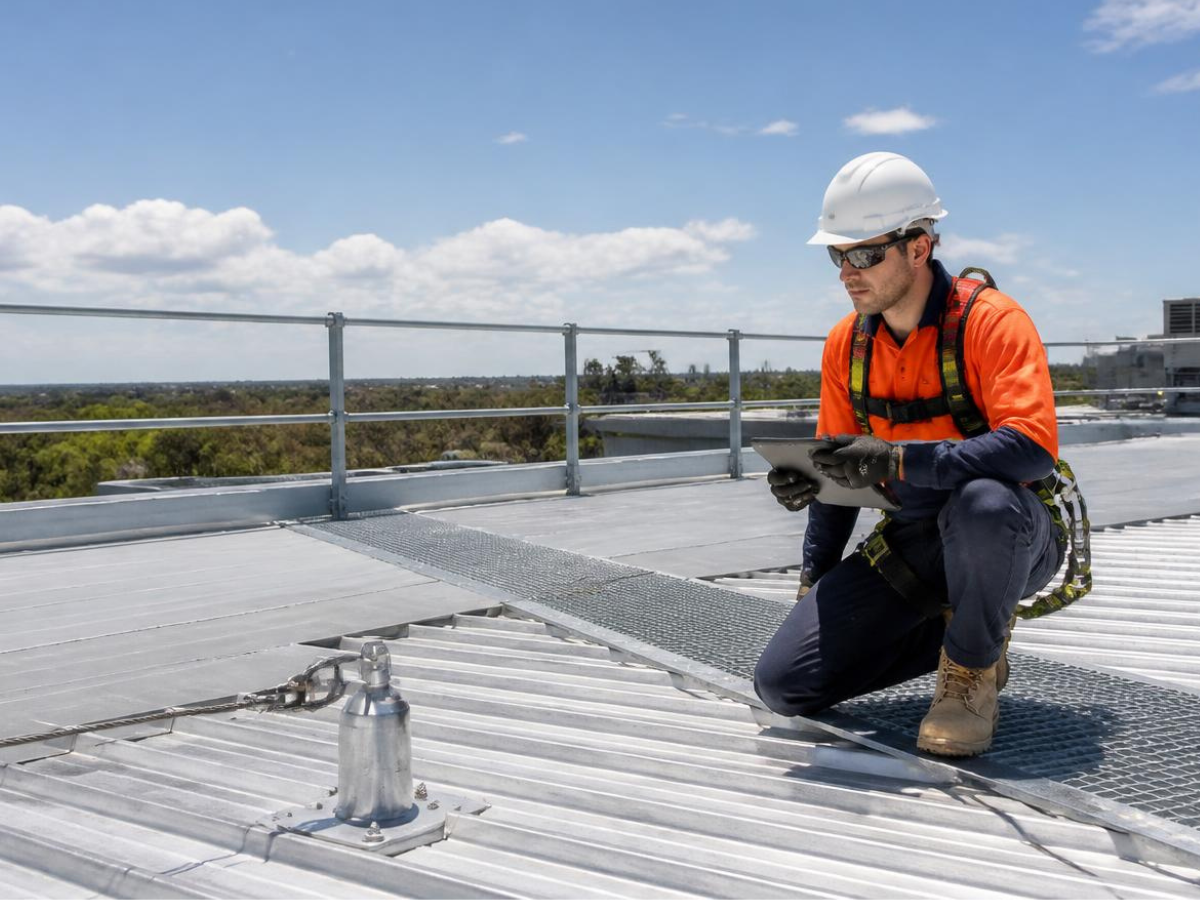
Access is more than simply getting onto a roof. It’s about how safely a worker can reach the work area, move around it and exit when the job is done. Over time, changes to the building, roof layout, plant and equipment or maintenance requirements can alter the routes workers need to take. New equipment may create obstructions, previously unused areas may become regular work zones, or existing walkways and access points may no longer suit the way the area is being used. It’s also important to consider what workers encounter once they reach the roof or elevated area — including fragile surfaces, skylights, penetrations, roof edges, changes in level and the location of existing fall protection systems. Ask yourself:- Can workers reach every area they need to access without creating additional fall risks?
- Is there a clear and protected route around the work area?
- Can they safely exit without having to step over, around or through a fall protection system?
5. YOU’RE NOT SURE WHETHER YOUR SYSTEM MEETS CURRENT REQUIREMENTS
Sometimes the biggest sign that your height safety system needs attention is simply uncertainty. You may know that a system is installed and has been in place for years, but do you know whether it still provides the right level of protection for the work being carried out today? Requirements can vary depending on:- the state
- the type of work
- the site
- the risks involved.