

Working at Heights Compliance in NSW & Queensland: What You Need to Know in 2026
Whether you’re a building owner, facilities manager, contractor or employer, understanding your responsibilities, and making sure your height safety systems are properly maintained is critical.
Here’s a simple guide to what you need to know in 2026.
Falls from heights continue to be a leading cause of serious workplace injuries and fatalities, particularly within the construction industry. SafeWork NSW has made falls from heights a regulatory priority, and Workplace Health and Safety Queensland continue to actively enforce requirements designed to protect workers from fall risks. Recent prosecutions demonstrate that regulators are taking these responsibilities seriously. In NSW, a company was fined $225,000 in June 2026 following an incident where a worker was seriously injured after falling approximately 11 metres from an elevated work platform. In another recent NSW case, two companies were fined a combined $590,000 after a worker suffered serious injuries falling approximately 10 metres through a skylight. The message for businesses is simple: if your people or contractors work at height, your systems and procedures need to be up to scratch.
Industrial manslaughter laws are now in effect in NSW. In circumstances where gross negligence causes the death of a worker or another person to whom a health and safety duty is owed, industrial manslaughter offences can carry maximum penalties of:
Queensland also has industrial manslaughter offences under its WHS legislation. Where the legal requirements for the offence are met, maximum penalties can include:
What’s changed in 2026?
Height safety guidance continues to evolve. Safe Work Australia released a new Model Code of Practice: Elevating Work Platforms, published in December 2025 and announced in January 2026. The new Code provides practical guidance for businesses and other duty holders on managing risks associated with elevating work platforms (EWPs), including:
We’re offering a free height safety inspection to review your existing systems, identify potential areas that may require attention and help you understand your next steps.
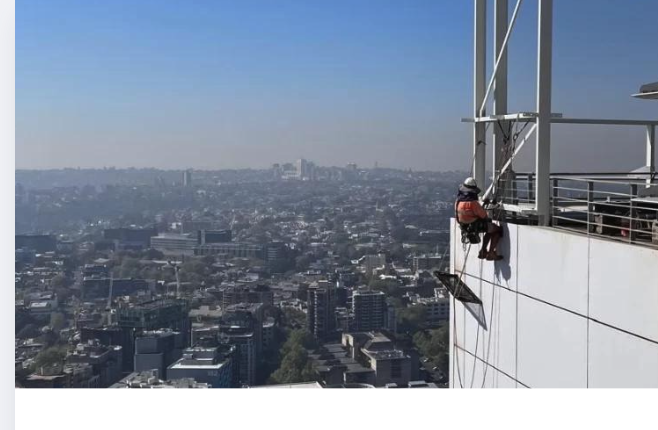
From height safety systems and inspections through to rope access façade remediation and difficult-access works, Kerrect is an industry leader in providing practical solutions for businesses across NSW and Queensland.
Book your free height safety inspection
Or speak directly with the Kerrect team on 1300 537 732
Useful Resources & References For further information on working at heights, WHS responsibilities and current compliance requirements, refer to the following official resources:
Falls from heights remain a major safety priority
Falls from heights continue to be a leading cause of serious workplace injuries and fatalities, particularly within the construction industry. SafeWork NSW has made falls from heights a regulatory priority, and Workplace Health and Safety Queensland continue to actively enforce requirements designed to protect workers from fall risks. Recent prosecutions demonstrate that regulators are taking these responsibilities seriously. In NSW, a company was fined $225,000 in June 2026 following an incident where a worker was seriously injured after falling approximately 11 metres from an elevated work platform. In another recent NSW case, two companies were fined a combined $590,000 after a worker suffered serious injuries falling approximately 10 metres through a skylight. The message for businesses is simple: if your people or contractors work at height, your systems and procedures need to be up to scratch.
What are your responsibilities when working at height?
Under WHS requirements, businesses have a responsibility to eliminate or minimise risks associated with working at height, so far as is reasonably practicable. Where work cannot safely be completed from the ground or from a solid construction, appropriate control measures need to be considered. Depending on the work being undertaken, these can include:- Fall prevention devices such as barriers, scaffolding or elevating work platforms
- Work positioning systems such as industrial rope access systems
- Fall arrest systems
- Appropriate access and exit systems
- Properly designed and maintained height safety equipment
- Appropriate training, procedures and supervision
Your height safety systems need ongoing attention
Installing a height safety system isn’t the end of your responsibility. Equipment and systems need to remain safe, suitable and properly maintained. Over time, buildings change. Equipment deteriorates. Access requirements evolve. The way contractors use an area may also change. If you’re unsure when your building’s height safety system was last inspected, now is a good time to find out.Compliance matters: NSW & Queensland
NSWIndustrial manslaughter laws are now in effect in NSW. In circumstances where gross negligence causes the death of a worker or another person to whom a health and safety duty is owed, industrial manslaughter offences can carry maximum penalties of:
- $20 million for a body corporate
- 25 years’ imprisonment for an individual
Queensland also has industrial manslaughter offences under its WHS legislation. Where the legal requirements for the offence are met, maximum penalties can include:
- $10 million for a body corporate
- 20 years’ imprisonment for an individual
What’s changed in 2026?
Height safety guidance continues to evolve. Safe Work Australia released a new Model Code of Practice: Elevating Work Platforms, published in December 2025 and announced in January 2026. The new Code provides practical guidance for businesses and other duty holders on managing risks associated with elevating work platforms (EWPs), including:
- Common risks associated with EWP use
- Effective control measures
- Inspection and maintenance
- Proper use of EWPs
- Managing fall, electrical, operational and ground-condition risks
What should your business be checking?
If your employees or contractors need to access roofs, façades or other areas at height, ask yourself:- When were our height safety systems last inspected?
- Are our existing anchor points and systems still suitable for their intended use?
- Do workers and contractors have a safe way to access and exit work areas?
- Are the appropriate fall prevention measures being used?
- Is equipment being inspected and maintained appropriately?
- Are workers appropriately trained and supervised?
- Are our risk assessments and safe work procedures current?
Not sure if your site is up to scratch?
Kerrect can help.We’re offering a free height safety inspection to review your existing systems, identify potential areas that may require attention and help you understand your next steps.
From height safety systems and inspections through to rope access façade remediation and difficult-access works, Kerrect is an industry leader in providing practical solutions for businesses across NSW and Queensland.
Book your free height safety inspection
Or speak directly with the Kerrect team on 1300 537 732
Useful Resources & References For further information on working at heights, WHS responsibilities and current compliance requirements, refer to the following official resources:
- SafeWork NSW – Working at heights: guidance on managing fall risks and working safely at height. SafeWork NSW – Working at heights
- SafeWork NSW – Falls from Heights 2025 Findings: findings from SafeWork NSW’s latest falls-from-heights compliance program. SafeWork NSW – Falls from Heights 2025 Findings
- Safe Work Australia – Working at heights: national guidance on eliminating and minimising risks associated with working at height. Safe Work Australia – Working at heights
- Safe Work Australia – Model Code of Practice: Managing the risk of falls at workplaces: detailed guidance for managing fall risks. Safe Work Australia – Managing the risk of falls at workplaces
- Safe Work Australia – Model Code of Practice: Elevating Work Platforms: current guidance on managing health and safety risks associated with EWPs. Safe Work Australia – Elevating Work Platforms Code of Practice
- WorkSafe Queensland – Working at heights: Queensland-specific information and guidance for managing fall risks. WorkSafe Queensland – Working at heights
- WorkSafe Queensland – Penalties: information on WHS offences and penalties, including industrial manslaughter. WorkSafe Queensland – Penalties
- NSW Government – Industrial manslaughter: information on the introduction of NSW’s industrial manslaughter offence and associated maximum penalties. NSW Government – Industrial manslaughter laws