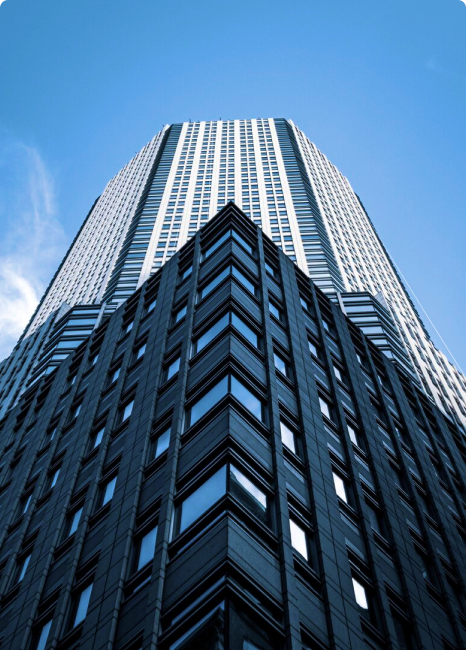


Why Rope Access Remains Critical for High-Rise Maintenance in 2026
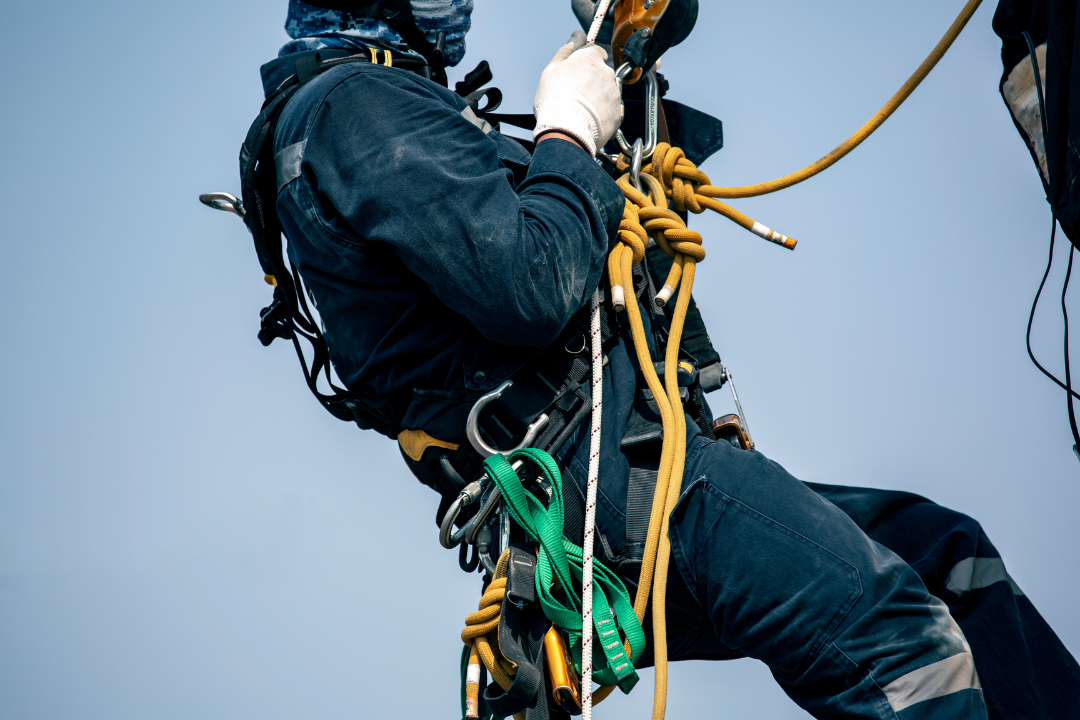
Rope access continues to be the safest and most efficient solution for high-rise maintenance and remedial works from Sydney skyscrapers to Brisbane towers and Gold Coast developments. Trained teams use dual-rope, certified systems that far out-perform traditional scaffolding/swing stages in safety and speed. In this blog, we explain why rope access is ideal for modern buildings, highlight key 2026 trends, and describe how Kerrect’s engineering-led expertise and local presence keep your projects on track.
Rope Access vs. Scaffolding: Safety First
Rope access is engineered for maximum safety. Work is done under strict Australian standards. Technicians always attach to two independent ropes one main line and one backup fall arrest. This redundancy dramatically reduces risk. In fact, IRATA reports rope-access incident rates under 0.2 per 100,000 far lower than general construction. By contrast, many fatal falls involve ladders or unprotected edges. Kerrect’s rope-access crews are all directly employed and IRATA-certified. Each project is led by engineers who conduct site-specific risk assessments. Anchors and equipment are used only if they meet or exceed current codes (including new 2025 standards AS/NZS 1891.4:2025 and AS 5532:2025). Before anyone ascends, every anchor is inspected or load-tested and every procedure double-checked. Compared to heavy, labour-intensive scaffolding, rope access with engineered controls is inherently safer in live urban environments.Efficiency and Cost Savings
Time and cost efficiency are critical for building managers. Rope-access teams mobilise quickly, often within hours and require minimal ground-level setup. This greatly minimises downtime. For example, Kerrect’s Sydney and Brisbane crews can respond to an urgent façade make-safe within hours of a client’s request. By contrast, erecting a scaffold or crane can take days, block access routes, and involve significant equipment and permit costs. Eliminating bulky scaffold structures, which in some instances may require an engineer design review and sign off, council footpath occupancy permits/fees can cut project lead times and expenses substantially. Numerous industry reports confirm that rope access significantly reduces labour and material expenses on mid- and high-rise projects. Whether it’s replacing windows on a Brisbane tower or sealing leaks on a Gold Coast complex, rope methods avoid the expense of multiple lifts, platforms or extended scaffolding. Fewer machines on-site also means a smaller carbon footprint, aligning with today’s sustainability goals.Typical Rope Access Applications
Rope access isn’t just for window cleaning. It covers nearly every high-rise maintenance task:- Façade Repairs & Cleaning: Technicians can replace glass panels, clean building facades, complete concrete/render repairs, remove/replace cladding, paint surfaces, and reseal joints. They can access areas that scaffolding can’t, such as overhangs and atriums.
- Inspections & Testing: Engineers ride the ropes to inspect structural elements, survey concrete or steel, and test/certify existing anchor points. Heritage building inspections and cladding audits are done quickly using specialised cameras equipment, project specific real-time reporting software, and probes from rope positions.
- Roof & Equipment Access: Rope teams abseil onto roofs to service air conditioners, solar panels, cooling towers and rooftop anchors. They install or inspect hatches and ladder systems without scaffolding.
- Safety System Installation: Kerrect also uses rope access to install or inspect permanent height-safety systems (lifelines, static lines, guardrails). Our crews can set up the fall-protection gear and then use it to carry out maintenance, integrating tasks for efficiency.
2026 Trends: Technology and Standards
Rope-access is evolving with the industry. Modern high-rise jobs may now include:- Real Time/Site Specific reporting Software – Kerrect use a real-time live reporting program, which can be configured (Site/Project Specific) to ensure the information information/photos collected by our site team, meets our clients’ expectations. Once the software is live on site, the database can be shared with multiple users throughout the project (ie: client/engineers etc). Viewers of the system, can add comments to the collected information and contact our site team, should any urgent or additional works be required
- Smart safety gear: Trials of IoT-enabled harnesses and fall-arrestors are underway, potentially alerting supervisors to overload or wear.
- Digital compliance: Project documentation is moving online, with QR-tagged anchors and digital logbooks ensuring traceable maintenance records.
- Drone-assisted planning: Drones are ONLY used for pre-work surveys, helping to identify anchor points and hazards before technicians deploy
Kerrect’s Engineering-Led Advantage
What makes Kerrect different? It’s our blend of engineering expertise, skill, and local knowledge:- Custom Engineering: Our solutions are not off-the-shelf. We have civil and structural engineers design or review every height-safety and rope-access system. This ensures the system fits the building.
- Certified, Skilled Teams: All our rope-access technicians are IRATA-certified. They’re directly employed and undergo strict safety training. With offices and crews based in Sydney, Brisbane, and the Gold Coast, our teams understand local conditions and regulations.
- Decades of Experience: Established over 20 years, Kerrect has handled hundreds of complex projects; from heritage façade restorations in Brisbane to new high-rises in Sydney. Our track record, plus pre-qualification under CM3/Avetta and $20M insurance, gives clients confidence that their projects will be completed reliably.
- Full-Service Capability: Many firms focus on either rope or anchors. Kerrect does both (plus safety netting). After our rope-access team finish their work, the site is left with fully certified lifelines, static lines and fall arrest systems. Our safety-netting services provide an extra layer of protection for our large NSW, Brisbane and Gold Coast projects, a bundled offering that competitors may not match.
- Rapid Local Response: We maintain a dedicated Queensland team in Burleigh Heads and our headquarters in Sydney. That means we can deploy crews quickly anywhere from Byron Bay to Newcastle/Sydney. For urgent high-rise needs, a local presence is invaluable. Our clients praise us for our on-call readiness and fast mobilisation.