


How Rope Access Supports Critical Infrastructure Maintenance
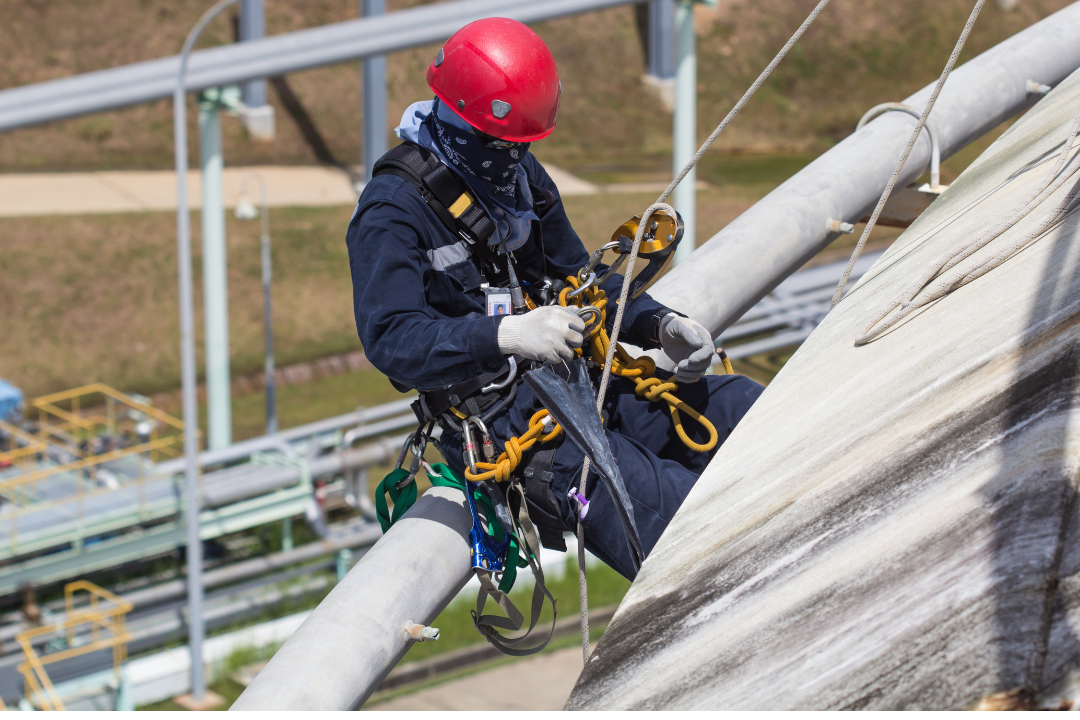
Infrastructure never stops. Whether it is a road bridge, rail viaduct, airport terminal or water tower, these assets need to stay operational and safe; even while they are being repaired or inspected.
That is why rope access has become essential for infrastructure maintenance across Australia. It offers a fast, safe and low-impact way to reach hard-to-access areas without disrupting the asset’s function or putting crews at unnecessary risk.
For councils, transport authorities and asset managers, working with qualified rope access contractors makes the difference between a shutdown and a smart upgrade.
Why Rope Access Works for Infrastructure
Rope access allows technicians to safely reach difficult locations using harnesses and dual-rope systems rather than scaffolding or elevated platforms. Unlike traditional access methods, it requires very little ground setup, no road closures and minimal time to mobilise. For critical infrastructure, that means:- Minimal disruption to public access or traffic
- Faster inspections, often completed within a single shift
- Safer access in confined or high-risk environments
- Lower setup and permit costs
Typical Infrastructure Applications
Kerrect’s rope access teams support projects across Sydney, Brisbane and regional centres, delivering safe and compliant access on:- Road and rail bridges
- Transport interchanges and terminals
- Multi-storey car parks
- Communication towers
- Wastewater treatment plants
- Power stations and substations
- Tunnels and overpasses
- Concrete and steel inspections
- Protective coating and corrosion repairs
- Crack monitoring and non-destructive testing
- Installation of sensors, cameras and lighting
- Expansion joint and facade maintenance
- Make-safe response for spalling or loose fixings
Safety First — Always
Every rope access project begins with a detailed risk assessment. Kerrect uses qualified engineers and IRATA-certified technicians to plan each job. All works are carried out using dual-rope systems in line with ISO 22846 and Australian WHS legislation. Our systems include:- Anchor point testing
- Rescue planning for every job site
- Equipment and fall protection pre-checks
- Real-time reporting using site-specific software
Why Rope Access Beats Scaffolding for Infrastructure
Scaffolding has its place. But for operational infrastructure, it often creates more problems than it solves. Rope access avoids:- Lane closures or rail shutdowns
- Large exclusion zones or footpath permits
- Long lead times and staging
- Expensive materials and labour costs
Who Uses Rope Access for Infrastructure?
Rope access is now the preferred option for many government and facility stakeholders, including:- Local councils
- State transport authorities
- Facility and asset managers
- Infrastructure consultancies
- Defence and correctional services
- Airports and utilities providers
What to Look for in a Rope Access Contractor
Not all contractors are the same. For critical infrastructure, make sure your rope access provider can demonstrate:- IRATA certification for all technicians
- Qualified engineers overseeing access design
- ASNZS and ISO compliance across anchors, fall protection and rescue
- In-house safety netting and containment options
- Prequalification under Cm3, Avetta or equivalent
- Public liability cover of at least 20 million dollars
Frequently Asked Questions
- What makes rope access ideal for infrastructure projects? It provides safe and flexible access without the need for scaffold or crane lifts. This reduces cost, time and disruption.
- Where does Kerrect provide infrastructure rope access services? We operate across Sydney, Brisbane, the Gold Coast and regional NSW and QLD.
- Is rope access safe for live transport sites? Yes. All works are completed with certified anchors, fall protection and rescue procedures, designed for minimal public interface.
- Can rope access be used on tall structures or confined spaces? Yes. Our technicians are trained for both vertical and confined access, with systems tailored to each environment.
- How quickly can Kerrect mobilise for critical works? Our teams can often be on-site within 24 to 48 hours for urgent repairs or inspections.